
Start Here
Welcome to Growing Is Half the Battle.
I write about what it actually takes to make local food work: viable small farms, useful infrastructure, better markets, food access, and communities that can feed themselves with more dignity and less fragility.
This is not local food as a slogan. Also, not farming as nostalgia. And definitely not “support local” as a bumper sticker.
I’m interested in a much harder question:
What does it actually take to build local food systems that people can use, farmers can survive in, and communities can depend on?
That is the most critical thread running through my brain.
Growing food matters. But growing is only half the battle. The other half is land, infrastructure, markets, pricing, distribution, education, trust, policy, and whether the whole thing can keep working after the first wave of enthusiasm fades.
Why I write this
I’ve spent years working inside food and agriculture projects that sound simple from the outside and get complicated fast once you are actually responsible for making them work.
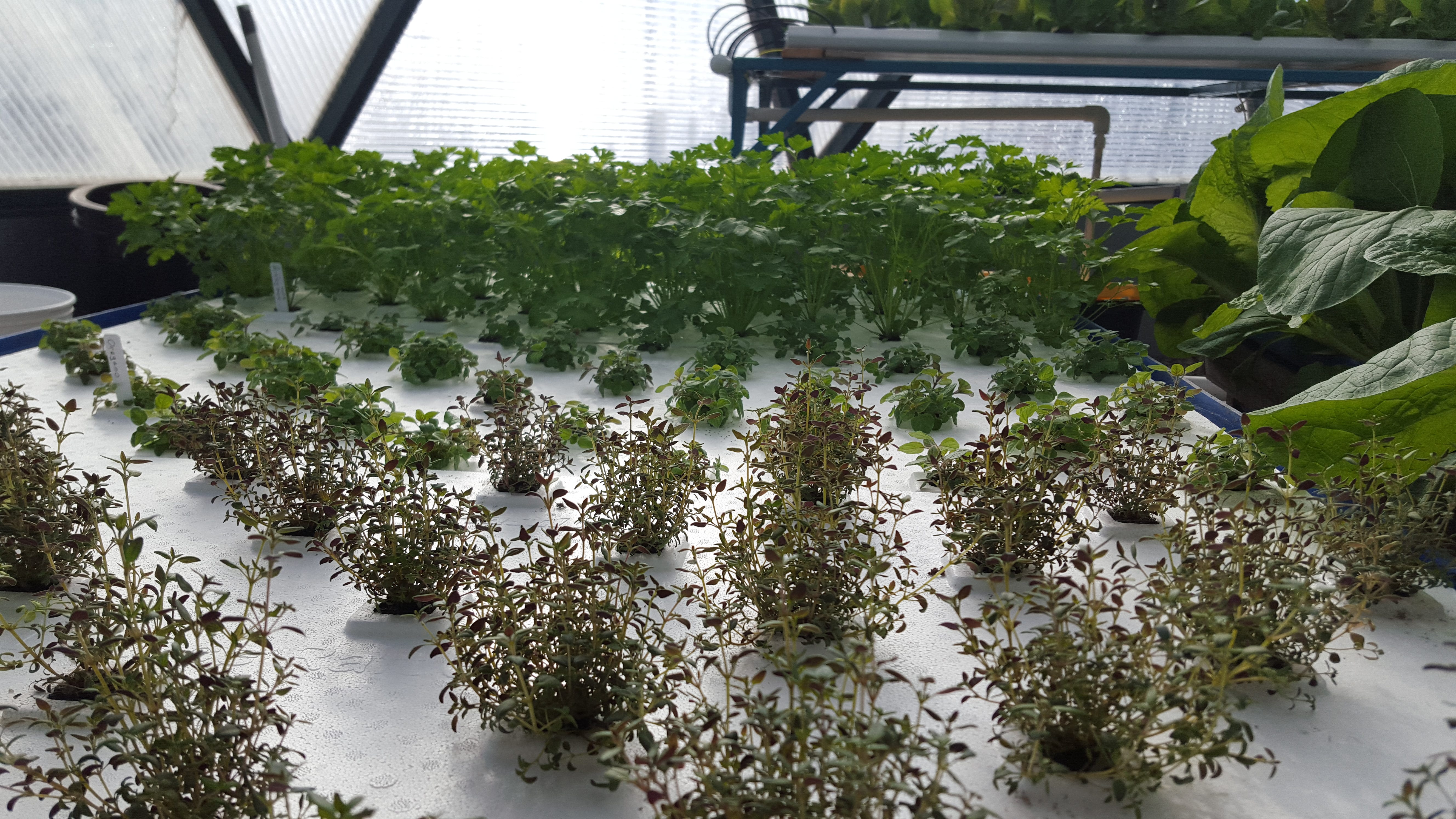
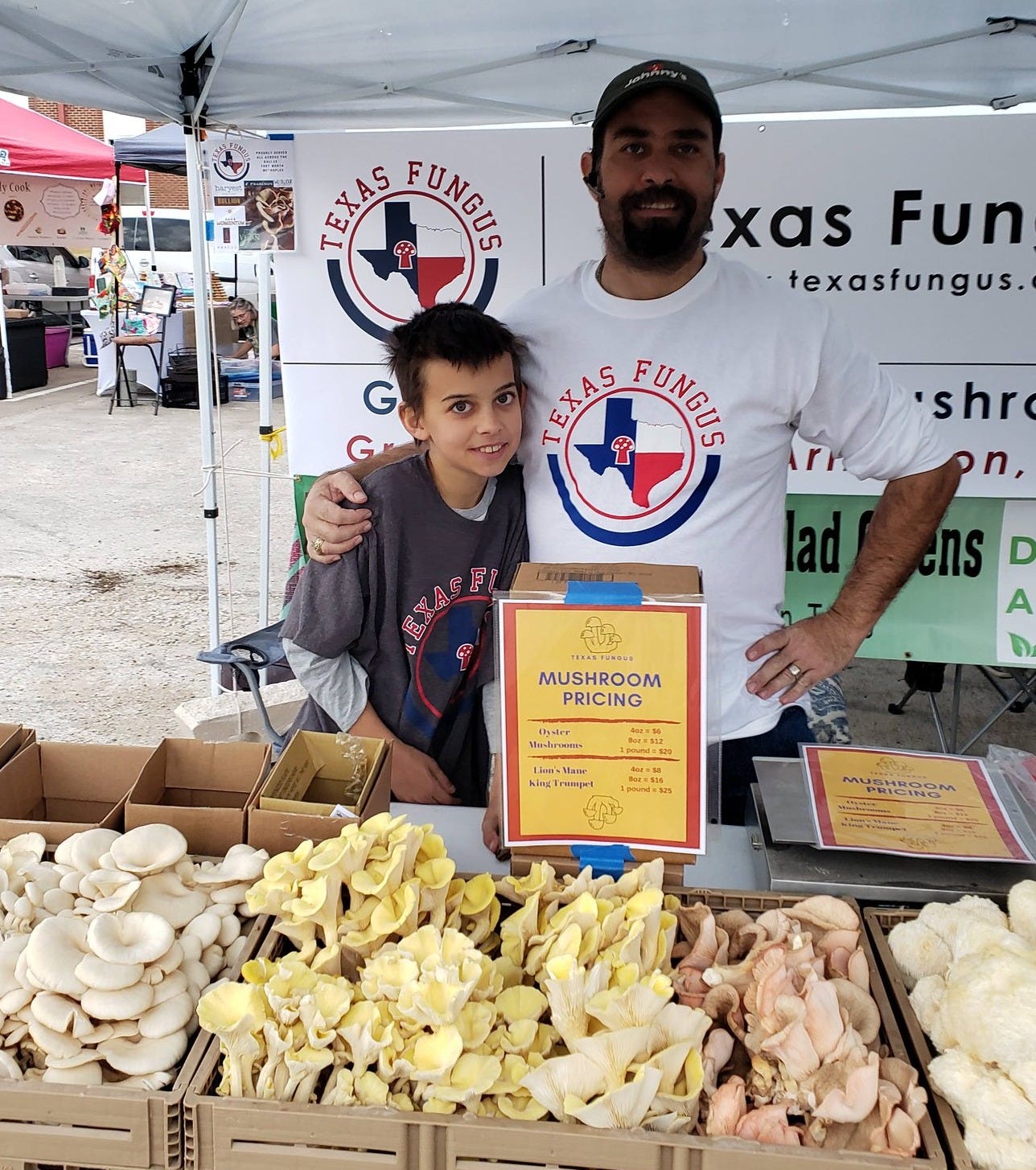
I’ve built and operated small food projects involving hydroponics, aquaponics, mushrooms, controlled-environment agriculture, school-based growing systems, and local food conversations that become very real once money, labor, infrastructure, and customers enter the picture.
That gap is where my writing lives; between the idea and the operating system.
Between “we should grow more local food” and “how does this actually work next Tuesday?”
If you are new here, these are the best places to start.
Stop Asking How Big The Farm Is

Last week I asked on LinkedIn whether you need 10+ acres to be a real farmer.
This is the clearest statement of where I stand right now.
We spend too much time asking whether a farm looks legitimate and not enough time asking what role it plays. A farm is not just land. A farm is a role in a larger food system.

This piece gets at the deeper reason that I care about local food.
Food is not just a product moving through a supply chain. It is a relationship between people, land, labor, health, memory, money, and trust. When food looks cheap, the real cost is often being paid somewhere else.
A Healthy Meal Is Only $3?

Last week, Secretary of Agriculture Brooke Rollins claimed Americans can eat healthily for $3 a meal.
This one is about food access and the gap between what looks simple on paper and what actually works in real life.
A meal is not a spreadsheet. Access is not just price. It is transportation, time, kitchen equipment, cooking skill, work schedules, family needs, emotional bandwidth, dignity, and whether the food available actually fits someone’s life.
The Challenge: We Can't Fund the Farms We Need

This is the third essay in the Roadmap to Scale Small Farms series. If you missed the earlier pieces, the first focused on land access [HERE], and the second tackled farmer training [HERE]. Now we need to talk about what might be the biggest roadblock of all:
This piece is about one of the biggest gaps in local food: we say we want more farms, but many of the farms we need do not fit the systems built to support agriculture.
If we want more local food, we have to stop pretending passion is a business model.
Where this goes next
Start simple: subscribe for free and follow the work as it develops. The essays stay open, and you’ll get the next one when it publishes.
Local food, small farms, food access, and urban agriculture need better public conversation. We need fewer slogans and more honest talk about what actually makes this work: land, labor, markets, infrastructure, policy, trust, and money.
But I also know conversation is not enough.
Some people reading this are not just interested in the idea of local food. They are trying to build something: a farm, a school program, a food project, a community garden, a market channel, a local food business, or a better system where they live.
For these builders, I have the Local Food Builders.
If the public essays are the conversation, then the Local Food Builders is for the tools: practical guides, templates, Office Hours, and more for the people in the trenches trying to figure out, “How do we actually make this work?”
For now, start with the four pieces above.
Read what hits. Push back where you disagree. Bring examples. Tell me where the system breaks.
Welcome to Growing Is Half the Battle.
— Adam